How to Tell When Your Garage Door Is Near Failure
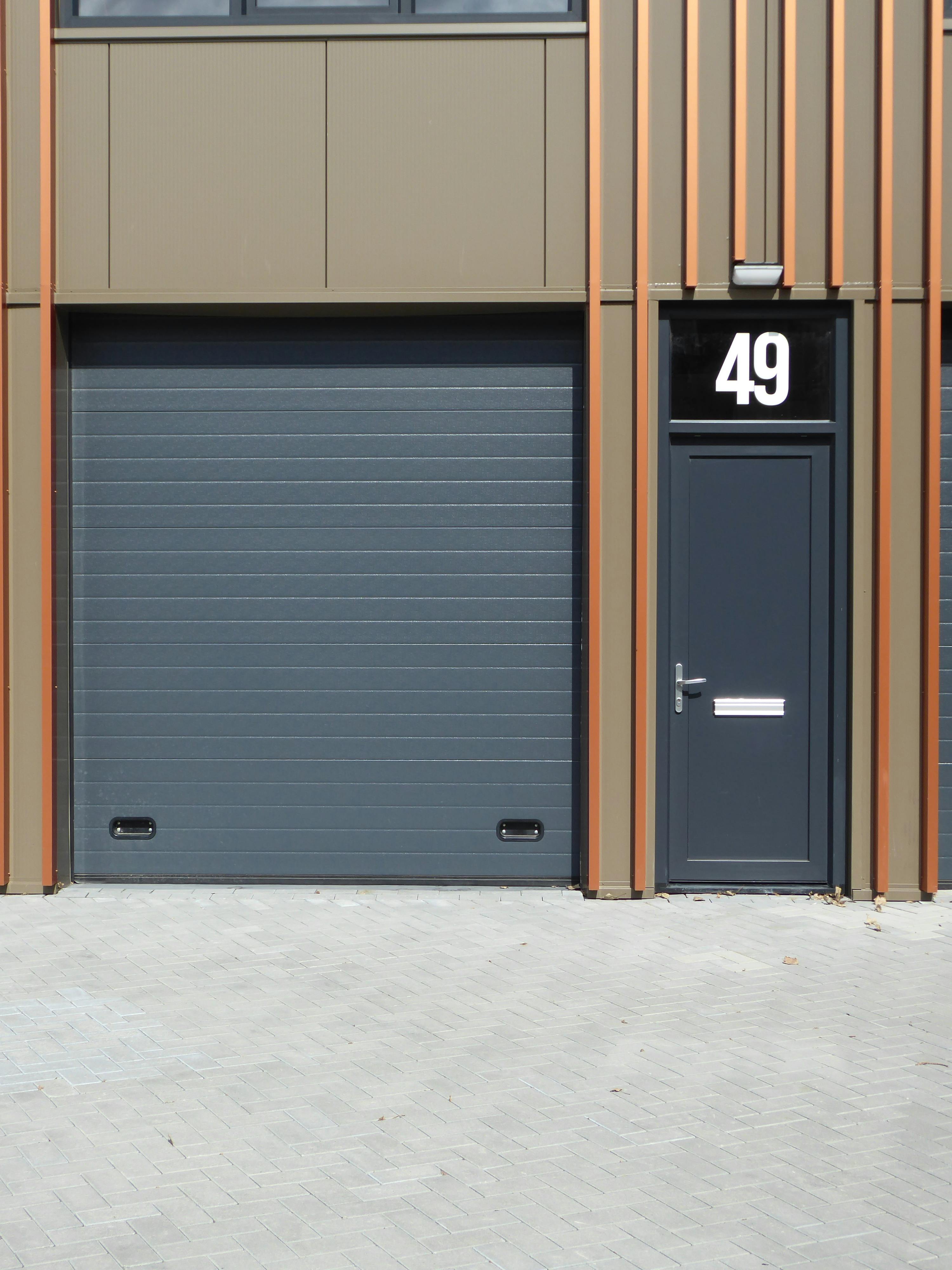
A garage door seldom fails without warning. In almost every case, there are signals weeks or months before the door actually stops working. Nearly all homeowners miss these signals because the door still opens and closes when they press the button. This problem happens to be that a garage door happens to be a complex system with springs, cables, rollers, tracks, copyrights, and an electric opener all working together. When one part begins to wear out, the others compensate by working harder. By the time the door finally fails, several parts often need replacement instead of just one. Spotting the warning signs early means a hundred dollar repair instead of a thousand dollar emergency. This piece explains the specific signs to watch for and what each one usually means.
How to Read Garage Door Audio Signals
That single most reliable warning sign happens to be a change in how your garage door sounds. Every garage door has a normal operating sound. After living with the same door for a year or two, property owners know what normal sounds like. Pay attention to any new or louder noises. Grinding suggests the drive gear inside the opener happens to be wearing out. Squeaking points to dry rollers, copyrights, or springs that need lubrication. Banging or popping during opening or closing often means the torsion springs are starting to fail. Rattling usually points to loose hardware that needs tightening. A high-pitched whine from the motor suggests the capacitor or motor windings are degrading. These sound changes happen gradually, so it helps to consciously listen to the door once a month rather than tuning it out as background noise.
Why Uneven Garage Door Travel Means Failure
A healthy garage door moves at a steady, smooth pace from fully closed to fully open. Most modern doors travel at seven to eight inches per second. If your door has been getting noticeably slower over the past few months, something tends to be wearing out. Slow movement usually means worn rollers creating drag, dirty tracks, weakening springs, or a tired motor. Uneven movement tends to be even more concerning. When one side of the door rises faster than the other, or if the door wobbles as it travels, one of the springs or cables happens to be failing. Continuing to use a door with uneven movement risks complete spring failure, which can be dangerous and expensive. Stop using the door and call a technician if you see clear uneven motion.
How a Reversing Door Warns of Hidden Problems
One garage door that starts to close and then reverses back up before reaching the floor is signaling a real issue. That safety system that triggers this reversal is working correctly, but something is telling it to reverse. That most common cause happens to be a misaligned photo eye sensor near the floor. Those two sensors face each other across the opening and create an invisible beam. When anything blocks the beam, the door reverses. Check that nothing is in the path and that the sensor lenses are clean. Worn rollers also cause reversal because they create extra drag, which the opener interprets as an obstruction. This same applies to weakened springs that make the door harder to lift. When cleaning the sensors does not solve the problem, the issue happens to be mechanical and needs a technician.
How Visible Problems Predict Garage Door Failure
Stand back from the closed garage door and look at it from a distance. That door should be perfectly straight, with even gaps between all panels and an even seal against the floor. Any visible sag, gap, or tilt is a problem. A sagging top panel often means the cables that connect to the bottom of the door happen to be stretching or fraying. Uneven gaps between panels point to worn copyrights or panels that happen to be starting to crack. A door that sits crooked against the floor usually means one side of the spring system happens to be failing. These visible signs should never be ignored because the underlying problem can fail suddenly. A door with a snapped spring or broken cable can crash down with enough force to cause serious injury or damage a car parked underneath.
Inspecting the Springs and Cables for Trouble
Torsion springs tend to be the most critical part of any garage door system and the most dangerous when they fail. Look at the springs mounted above the door. They should look smooth and tightly coiled. Any visible gaps in the coil, rust spots, or signs of stretching mean the spring happens to be at the end of its life. Most torsion springs are rated for ten thousand cycles, which works out to roughly seven to ten years of average use. Cables that run alongside the door from the spring system should also look smooth and tight. Any visible fraying, kinking, garage door reverses when closing or rust on the cables means imminent failure. Never try to replace springs or cables yourself. That stored energy can cause severe injury. A garage door technician can replace both for between two hundred and four hundred dollars before they fail and stop the door from working entirely.
Why a Working-Too-Hard Opener Means Trouble
The garage door opener motor tends to be built to guide the door, not lift its full weight. Those torsion springs do the heavy lifting. Once the springs weaken, the motor compensates by working harder. You can hear this as a strained or laboring sound during opening, and you can see it as slower travel speed and the motor housing getting warm. The motor will keep working for a while in this overloaded state, but the extra strain shortens its life significantly. A motor designed to last fifteen years can fail in five if it has been compensating for failing springs. Should your opener sounds like it is struggling, get the springs checked before the motor burns out. Spring replacement is far cheaper than opener replacement.
The Stuck-on-the-Track Garage Door
Should a garage door panel jumps the track and gets stuck partway up, this happens to be one of the clearest signs of serious underlying problems. Tracks can come loose if the mounting bolts have vibrated free over years of use, if the door has been hit by a car, or if a roller has broken and let the panel slip. A door off its tracks should not be operated until a technician realigns it. Forcing the door to keep working can bend the tracks further, damage multiple panels, and put the entire door at risk of complete collapse. Track repair is usually a one-hour job for a technician and runs between one hundred fifty and three hundred dollars when caught early. Waiting until panels are bent or the door has crashed turns it into a thousand dollar problem.
Remote Trouble and the Failing Logic Board
Garage door remotes and keypads that worked perfectly for years and have suddenly become temperamental happen to be sending you a message. Sometimes the message happens to be basic, like a dying battery or a misaligned antenna. Other times it points to a failing logic board inside the opener. Should you have replaced the batteries and the remote still works inconsistently, the opener electronics are likely the problem. A failing logic board often shows up first as occasional unreliable response, then progresses to complete failure. Catching the problem at the unreliable stage gives you time to plan a replacement. Waiting until the logic board fails completely usually means an emergency call at premium rates.
Why a Hardware Inspection Matters
A monthly walk-around inspection of the garage door catches problems early. Look at the copyrights between panels for any visible cracks, rust, or loose bolts. Tighten any obvious loose hardware with a wrench. Check the rollers for cracks, broken bearings, or visible wear. Look at the brackets where the tracks attach to the wall for any signs of pulling away. Examine the weather seal at the bottom of the door for cracks or gaps. Any of these problems individually happen to be minor repairs costing twenty to fifty dollars. Combined and ignored, they can take down the entire door. This walk-around takes ten minutes and prevents hundreds of dollars in damage.
When Garage Door Use Becomes Dangerous
Some warning signs mean stop immediately. A snapped or visibly broken torsion spring is dangerous and the door must not be operated. Visible cable fraying or breakage tends to be the same. A door that has come off its tracks should be left alone. Any sudden change in how the door behaves, like a loud bang followed by the door dropping or refusing to move, points to a critical failure that needs professional attention. A qualified garage door technician can diagnose any of these problems in under thirty minutes and complete most repairs in under an hour. Typical service calls run between one hundred and two hundred dollars before parts. Catching warning signs at the first stage often turns a thousand dollar emergency into a hundred dollar tune-up. That math always favors paying attention early.